people-preparing-business-plan

7 Qualities that make a great Entrepreneur

Research suggest that all successful entrepreneurs share similar attributes and qualities. Fortunately, all these qualities can be learnt and developed as it depends on how one examines their strengths and persist on learning them.

Keep reading to find out what these qualities are and how you can work on them!

  • Motivation

A hard working business owner and entrepreneur is someone who is always motivated to succeed.  It is important to bring enthusiasm to everything you do at work. This will help you pass the motivation and energy on to your team.

  • Vision

A great entrepreneur always keeps their eyes on the bigger picture. This makes the individual a better team member and leader as well. Identifying where the company is heading, identifying the challenges and responsibilities will help them stay focused and lead them in the right direction.

  • Creativity

A successful entrepreneur thinks out of the box. They are motivated by carrying out their assignments differently each time and with better ideas.  They understand that thinking of new ways and creativity improves a company’s workflow and productivity.

  • Risk Tolerance

Every entrepreneur aims to expand and grow their business which might often involve risks. A successful entrepreneur is not afraid to take risks, after careful analysation. This ties in with vision as they must have the foresight to plan their future along with that of the business. This way they can tackle anything that comes their way.

  • Decisiveness

A successful entrepreneur has no room for procrastination. They are able to take action when required. They understand how to prioritize and make decisions quickly.

  • Collaboration

To be a successful entrepreneur, you need to be a team player. One of the entrepreneurial skills is to adjust to other people’s work styles. Recognition and celebrating team members are areas of collaborating as a great entrepreneur.

  • Persuasiveness

A great entrepreneur has exceptional negotiating and communication skills. They know exactly how to convince their clients, co-workers and communicate to team.


Do you have what it takes to be a great entrepreneur? Let us know what you think in the comments below!
PEPS Australia

Aussie Trademarks: First ever Trademark to be registered

PEPS Australia is the first Australian trademark application that was filed on the 2nd July 1906. Funder Charles Edward filed the first five trademark applications to protect PEPS which is actually a tablet in the form of a lozenge that treats coughs and colds. PEPS is still active and continuing to produce its offerings to the market after 115 years.

However, IP Australia exhibits around 148 results after a trademark search is conducted for PEPS. These results include similar names such as PEP, P.E.P and Bio PEP. But it is not a matter of concern as they are operating and registered in different goods and service classes. Therefore, they are not violating the trademark rights for PEPS and will not be held responsible of infringements.

Since 1906, there have been over 1M trademarks registered in Australia! Moreover, 5% of that (almost 50,000) were registered in the 2004/05 financial year!

Fed Budget

Federal Budget Recap: 21-22

Treasurer Josh Freedenberg announced the second post pandemic federal budget despite the
posed uncertainty. The new budget is formulated again prioritizing investments and jobs and
bringing back employment opportunities after the beating by COVID-19 in the past two years.

The budget includes tax related measures for businesses and some positives for individual tax
payers. The budget is also encouraging spending on various levels and promoting support for
Aged care and child care, Education, Real Estate, Agriculture and Infrastructure.

The newly formulated budget is continuing to encourage first home buyers like last year to take
the jump into the housing market. The government plans to assist another 10,000 first home
buyers with a 5% deposit. It has also increased the amount to be released from $30,000 to
$50,000 under the First Home Super Saver Scheme. Some of the Key announcement in the
latest budget includes:

– The low and medium tax-offsets to be extended- They will receive $1,080 or $2,160 for
couples that will subsequently contribute to be spent across the economy and creating
jobs.
– Cash deficit forecasts- indicating to reach $161 billion this year falling to $57 billion by
2024-25. Net debt to increase by 30% of GDP and peak at 41% by 2025.
– Reformed individual tax residency rules
– Introduced a new patent box regime- Income from medical and biotech patents to be
eligible for 17% tax rate
– Affordable childcare to reduce work barriers
– Extended Temporary Full Expensing to 12 months
– Focus on productivity, national freight and supply chain
– Gender lens- Target safety and economic security
– $450 per month as the minimum income threshold for super guarantee to be removed


For a detailed report, click here.

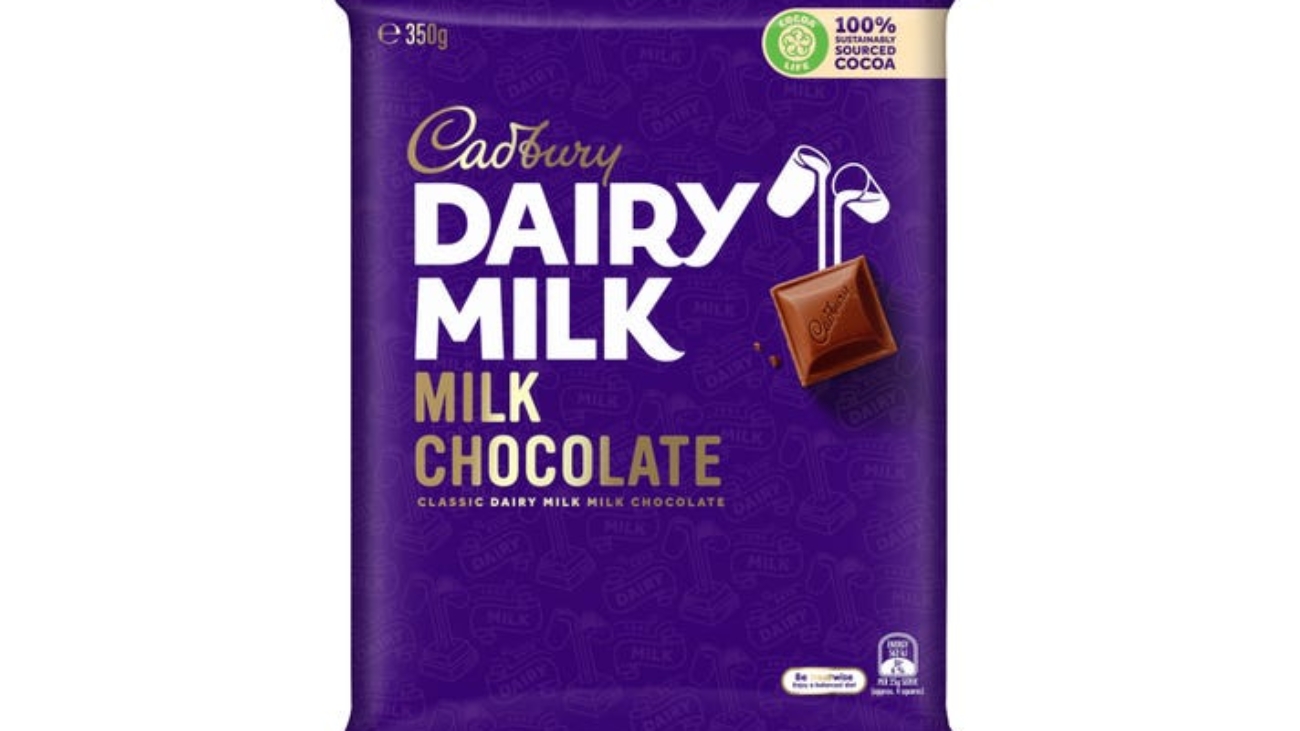
cadbury

Cadbury and the Colour Purple

Cadbury’s trademark application back in 1995 was for the colour purple, particularly the shade PANATONE 2685C. It was registered under goods as “chocolate in bar or tablet form” described as “The mark consists of the colour purple, as shown on the form of application, applied to the whole visible surface, or being the predominant colour applied to the whole visible surface, of the packaging of the goods”.

Nearly two decades later, in 2013 the chocolatier has a major setback when they applied for new trademark to include a wider range of products such as drinking chocolates, cakes and such! What’s wrong with that, you ask? The application was opposed by none other than Nestle!

The application was not only for its chocolate products but also for the colour purple, just like their application back in 1995 but Nestle contended on the basis that the colour purple “had no distinctive character, and was too broad for a range of goods”.

The UK Court of Appeal corresponded by rejecting the application.

The court found issue with the wording: “Being the predominant colour applied to the whole visible surface of the packaging goods” as it felt the term ‘predominant’ was too broad. This may have been acceptable in 1995, but trademark applications are more highly regulated nowadays.

What did Cadbury do? in 2018 they appealed to remove the second mark of their application which used the word “predominant”, eventually losing the case and placing their trademark at a state of risk. Backed into a corner, Cadbury could drop the trademark completely with the alternate being starting a brand new trademark application.

Cadbury said that it will continue to protect what it believes is a distinctive trademark, using unregistered rights.

If this case teaches us anything, its the importance of making a clear and concise trademark application.